
DIRECTOR
Jayme Coveliers
WRITERS
Lisa & Jayme Coveliers
PRODUCERS
Mitchell Camarda,
Kaustubh Singh
Kamal Sehrawy
Jesse Schroeder
Sofia Voss
CO-PRODUCER
Joshua Coveliers
ASSOCIATE PRODUCER
Sabrina Alvarez
CINEMATOGRAPHER
Jesse Schroeder
EDITOR
Noah Rogers
PRODUCTION DESIGNER
Anna Dunn
SOUND & MUSIC
Somesh Yatham
POSTER DESIGNER
Bernardo Garcia Valencia
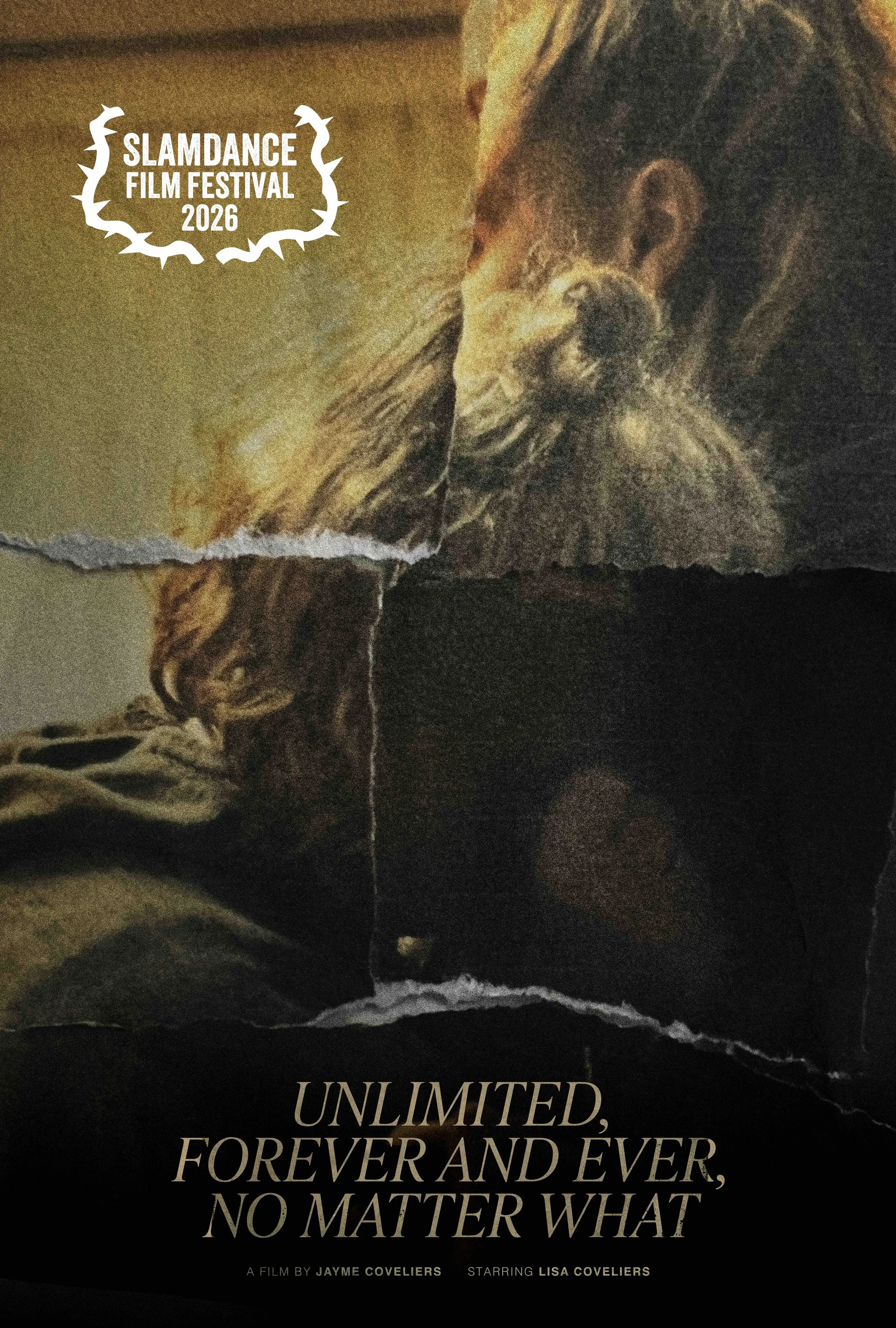
When a chronic pain flare-up throws her life off balance, a former athlete must decide between her dignity or putting her daughter first.
Director’s Statement
My mother is one of the most lovable people I’ve ever met and simultaneously one of the most frustrating. She’s goofy and alive and vibrant. She’s also stubborn and forgetful and often determined to a fault. After she was rear-ended and became trapped in her body, the more she felt trapped, the more she felt the need to push herself and prove how strong she was to herself and everyone around her. However, this only resulted in more pain, which in turn would come out as a wrath and fury towards the people in her life she loved most.
As I was developing this piece, every time I would sit down to write her, I would struggle to capture all of these tiny, glimmering particularities – nothing sounded quite right. I knew that I wanted to make a narrative film about her, but I could not for the life of me find an actress who could embody everything I was looking for. So I decided to not find an actress at all, but rather go after the real thing. After approaching my mother and finding a way to work with her body, she was completely on board.
I wanted to feel how spaces transform when you live with a disability. Stairs become mountains and your workplace can feel as dangerous as a war zone. Films are so often emotionally subjective and less so physically. With this film, I wanted to do both. How much of her pain can we feel without alienating an audience? It was a frustrating balancing act. All of this came to serve the frustration at the center of the film. The characters are trapped in a puzzle that has no perfect solution. There is no way for everyone to get precisely what they want by the end of the film, and as a result, you gutturally feel Maggie’s frustration.
The biggest challenge was finding a way to integrate her into the filmmaking process that wouldn’t be damaging to her. In order to make the film with my mom, I needed to build our process into the film itself. It would have to be improvised, as my mother wouldn’t be able to memorize dialogue. She’s completely lucid and achingly present, but her memory has been dulled from decades of medication. In order to drive the scenes along, the actress playing the daughter (a close family friend) would lead the scene and guide her from beat to beat. It’s then that we uncovered the foundation of their relationship and the emotional crux of the film itself – this mother-daughter pair had switched roles. The child had become the parent and the parent had become the child. It was only while making this film that I realized that was precisely what had happened with my mother and I over the years. My films are a process of discovery, both in and outside the film.
-Jayme